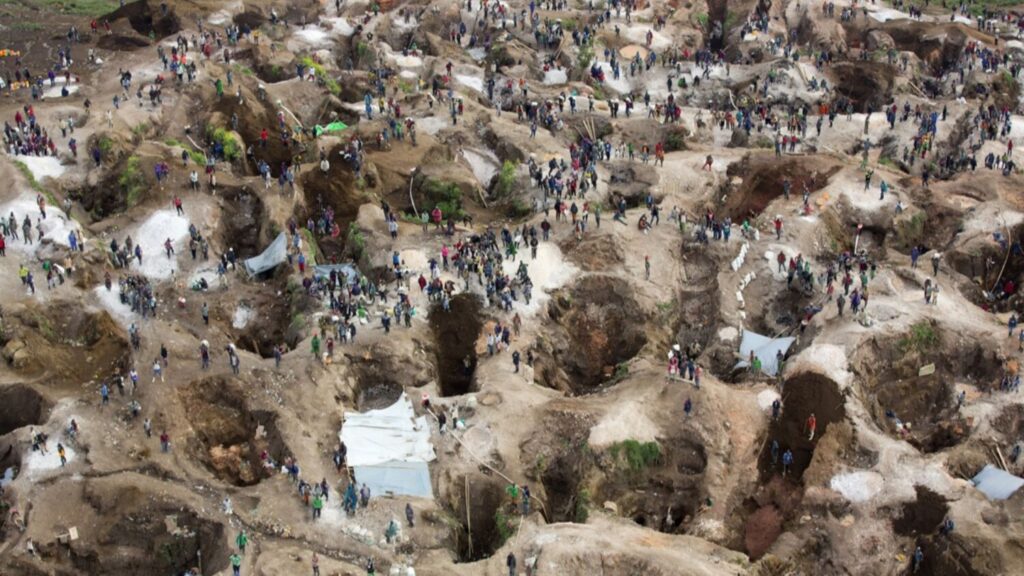
Mineral competition, armed conflict and weak state institutions continue to undermine security in eastern Democratic Republic of the Congo, sustaining political instability and threatening regional peace. The eastern region of the Democratic Republic of the Congo faces a security crisis that extends beyond armed confrontation. Weak governance, regional conflicts, and…

England's water problem is no longer confined to household supply, leakage or environmental regulation. As government pursues housebuilding, AI infrastructure and energy expansion simultaneously, water availability is emerging as a determinant of where economic growth can occur. Drawing on Environment Agency data, and putting three questions on allocation, political incentives and governance to a political consultant, Steven Darren (Project Synergyss),…
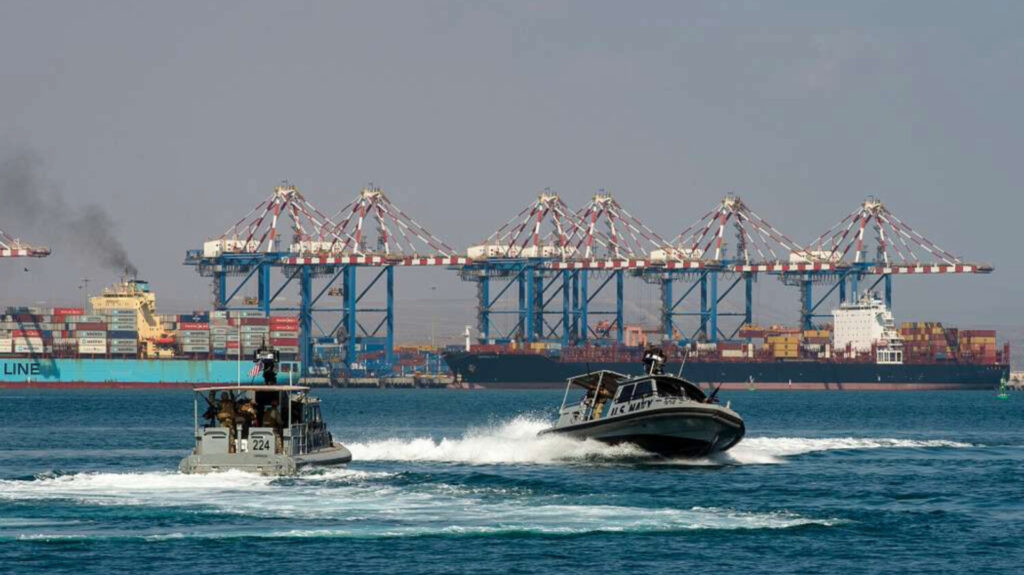
Despite years of diplomatic efforts to diversify port access, Ethiopia remains overwhelmingly dependent on Djibouti, which handles approximately 96.7% of its maritime trade cargo. This concentration, compounded by reliance on…

Britain’s reliance on undersea cables is creating new strategic vulnerabilities amid rising geopolitical tensions. Growing activity around critical subsea infrastructure highlights the risks posed by disruption, coercion and hybrid threats.…

The New Geopolitics of Chips, Data and Power Artificial intelligence is often portrayed as a contest between algorithms or companies: OpenAI versus Google, Nvidia versus Advanced Micro Devices (AMD), the…

The UK’s state pension triple lock is among the most politically untouchable and fiscally significant policies in British public finance (Hobson, Harker & Kirk-Wade, 2023). Its original purpose was to…

The 2026 Iran war exposed how a single damaged logistics hub, Naval Support Activity Bahrain, can cripple US supply lines and strain forces across an entire theatre. Washington now faces…

In today’s geopolitical tug-of-war for influence, Moscow is making a bold wager that the future may be shaped as much in lecture halls as in diplomatic circles. In a multipolar…
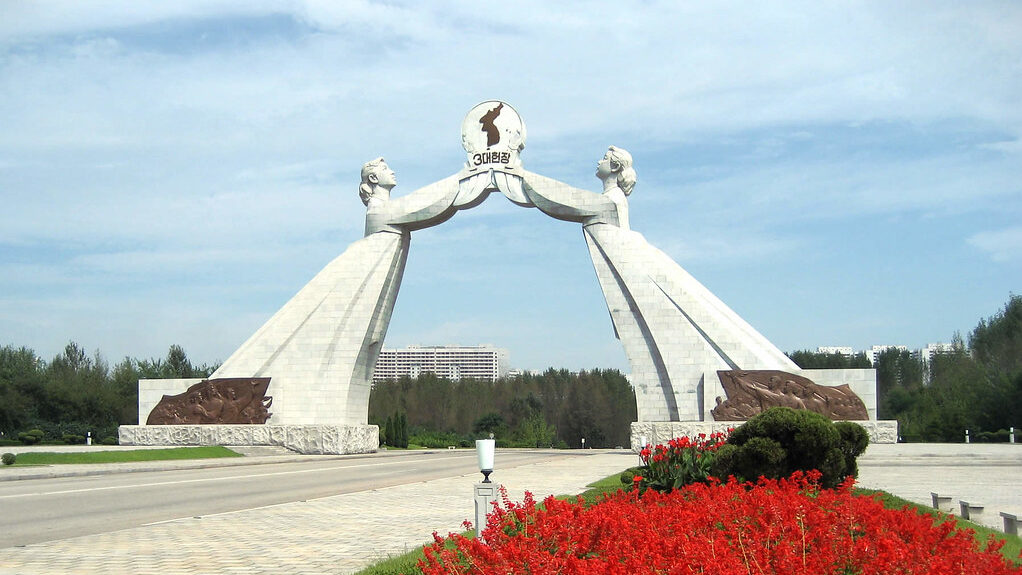
North Korea has solved the missile half of a sea-based nuclear force and not the platform half. Its 14 October cruise missile launch from a diesel submarine shows a navy…
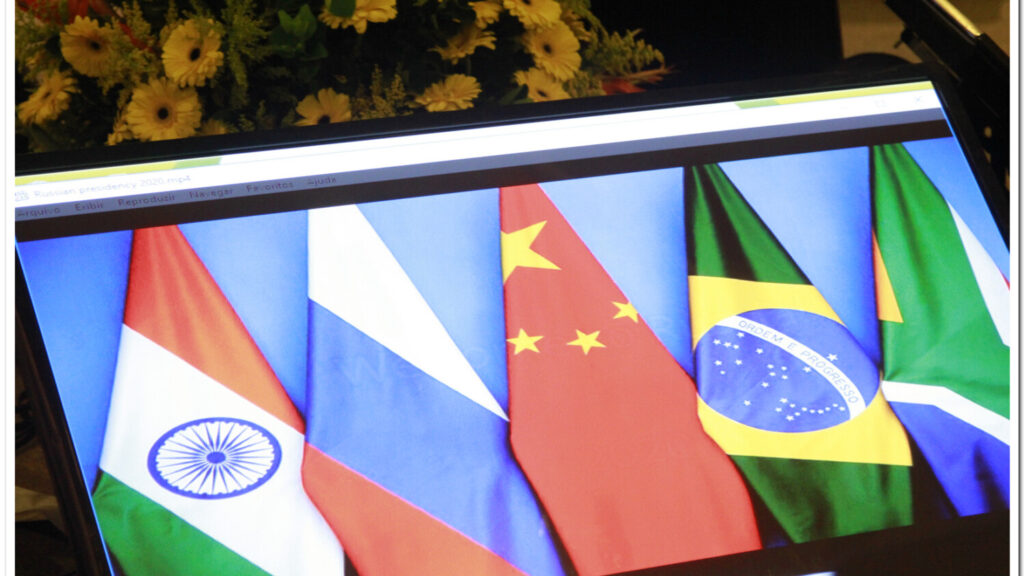
Does membership give countries more economic choices or does it simply change who they depend on? Much of the debate about BRICS focuses on its size: its growing membership, large…
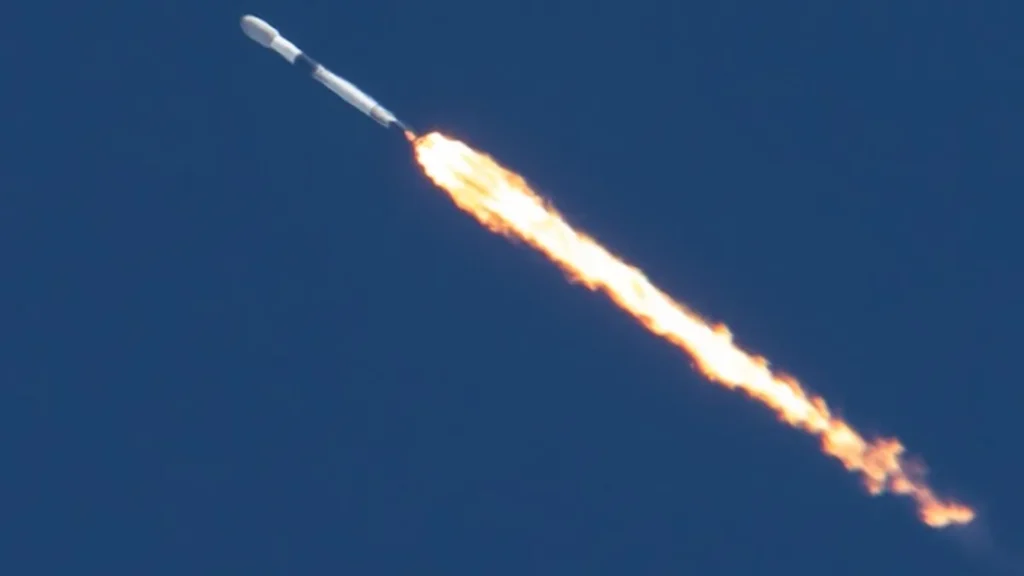
The United States’ public announcement of space-control weapons risks intensifying strategic competition with China and Russia. Through the lens of the security dilemma, this article examines how military dominance, diminishing…
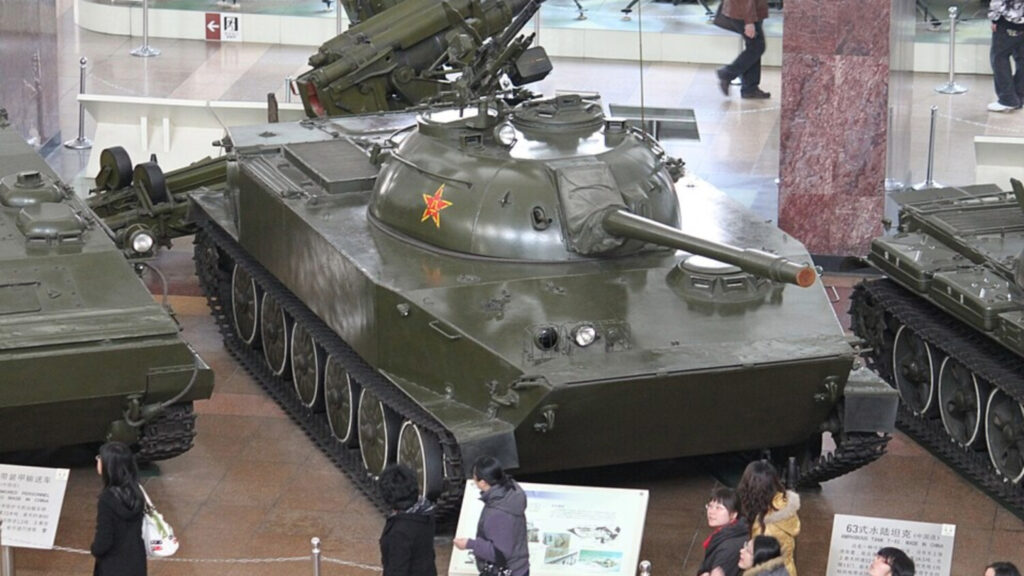
Comparing Taiwan’s live military exercises with China’s curated military documentaries reveals why visible performance is not proof of readiness, and how the limits of public evidence shape assessments of cross-strait…

How an offensive realist perspective explains the US pursuit of regional hegemony in Venezuela. On 28 August 2026, United States President Donald Trump announced an agreement intended to expand American…

South Korea is highly exposed to both China and the United States. China remains deeply embedded in Korean supply chains and intermediate-goods trade, while the United States has become increasingly…
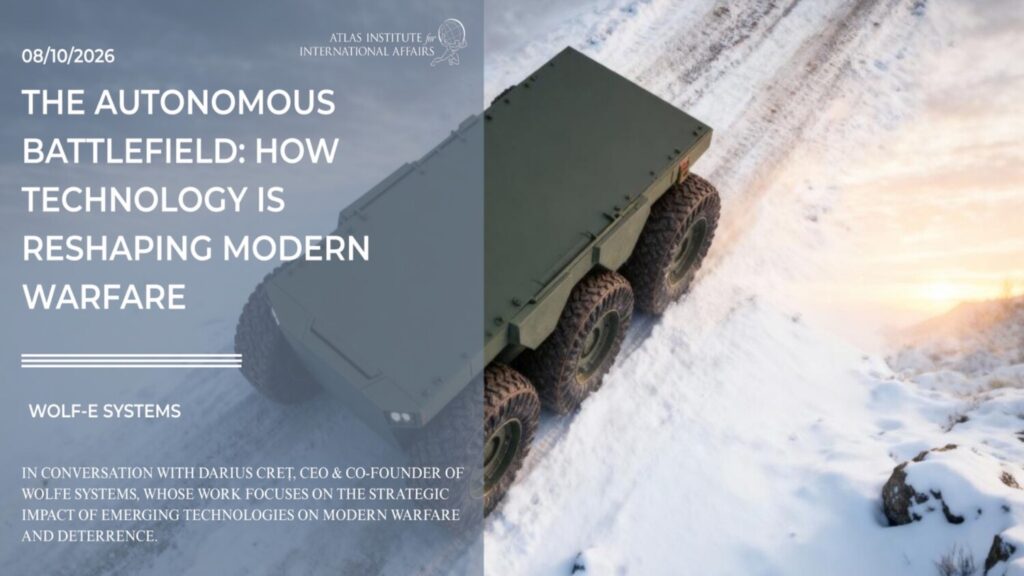
The character of warfare is changing rapidly. The proliferation of drones, autonomous systems, artificial intelligence and advanced robotics is transforming how military operations are conducted, while lowering the technological and…

As Merkel prepares to leave politics and with the European elections around the corner, there is a lot of uncertainty surrounding European politics. Far right parties have recently gained considerable…

Ezra Friedman discusses the significance of the fall of the Joint Comprehensive Plan of Action Warwick’s Pugwash Student Society, along with Warwick’s International Relations Society, are delighted to host their…
